Polymer backbone
Main chain defining polymer flexibility and properties.

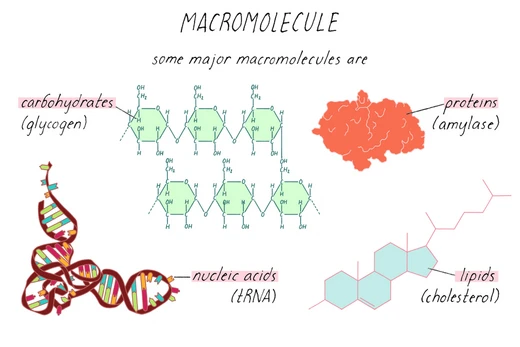
The polymer backbone is the main chain of a polymer, determining its flexibility and properties such as the glass transition temperature. Polymers are classified by the elements in their backbones, which can be organic (carbon-based), inorganic (e.g., silicon-oxygen), or biopolymeric (e.g., peptide, carbohydrate, or nucleic acid chains).
- field
- Polymer science
- known_for
- Main chain of a polymer; determines flexibility, glass transition temperature, and crystallization behavior
Lore & Background
In polymer science, the backbone is the central chain of a polymer. Its character—especially flexibility—governs properties like the glass transition temperature. Conversely, rigid backbones, such as in polythiophenes, promote crystallization in thin films and solution, affecting optical properties like band gap and electronic levels. Common synthetic organic polymers have carbon backbones (C-C-C-C...), including polyolefins like polyethylene, polystyrene, and polypropylene. Other organic classes include polyesters and polyamides, which incorporate ester (-C(O)-O-) or amide (-C(O)-NH-) groups. Inorganic polymers include siloxanes (Si-O backbone) and polythiazyl ((SN)x). Biopolymers such as proteins, carbohydrates, and nucleic acids have backbones formed by amide, glycosidic, or phosphodiester linkages, respectively.
Reader's Guide
The polymer backbone is a foundational concept in polymer science, as its composition and flexibility directly influence material properties. Rigid backbones, like those in polythiophenes, facilitate crystallization, which alters optical and electronic behavior—important for organic electronics. The classification of polymers by backbone elements (organic, inorganic, biopolymer) aids in understanding and predicting material behavior. In biopolymers, the backbone sequence (e.g., amino acid sequence in proteins) determines higher-order structure and biological function. The glycosidic linkage type (alpha or beta) in carbohydrates dictates digestibility and structural roles. Nucleic acid backbones, formed by phosphodiester bonds, enable the double helix and genetic information storage. Thus, the backbone is central to both synthetic and natural polymer function.
Did You Know?
- Polymers with rigid backbones, such as polythiophenes, are prone to crystallization in thin films and solution.
- In proteins, the backbone consists of amide linkages formed by condensation of amino acids, and its sequence is the primary structure.
- Carbohydrate backbones are characterized by glycosidic linkages, which are designated alpha or beta based on the stereochemistry of the anomeric carbon (carbon 1 in most common monosaccharides).
The Macromolecular Foundation
A polymer is a material composed of exceptionally large molecules, or macromolecules, assembled from numerous repeating subunits that trace back to one or more monomer species. This architectural principle yields a remarkably wide spectrum of material properties. Because of their enormous molecular mass relative to small-molecule compounds, polymers exhibit distinctive physical behaviors: they are tough, highly elastic, and display viscoelasticity. Rather than forming neat crystal lattices, they tend to organize into amorphous or semicrystalline structures. These characteristics make polymers indispensable across everyday life, spanning from familiar synthetic plastics like polystyrene to the natural biopolymers—DNA and proteins—that underpin all biological structure and function. In biological systems, essentially every major macromolecule, whether a protein, nucleic acid, or polysaccharide, is either purely polymeric or contains substantial polymeric components, underscoring how central this molecular architecture is to living matter.
From Greek Roots to Modern Science
The word polymer traces back to two Greek roots: polus, meaning many or much, and meros, meaning part. He then devoted the following decade to gathering experimental evidence that would validate his vision. For much of its history, polymer science concentrated on products formed by linking repeating units through covalent chemical bonds. However, a significant and growing area of research now investigates supramolecular polymers, which are held together by non-covalent interactions rather than traditional covalent links. The discipline itself spans polymer chemistry, polymer physics, biophysics, and materials science and engineering, reflecting the breadth of phenomena that polymeric materials present to investigators.
The Art of Building Chains
Polymerization is the process by which numerous small monomer molecules are joined into a covalently bonded chain or network. In some cases, chemical groups are shed from each monomer during the reaction; for instance, in producing PET polyester, terephthalic acid and ethylene glycol combine while losing two water molecules per repeat unit. The fragment of each monomer that actually gets incorporated into the growing chain is called a repeat unit or monomer residue. Synthetic polymerization methods broadly fall into two categories. In chain polymerization, monomers attach to a growing chain one at a time, as seen in polystyrene production. In step-growth polymerization, partially formed chains can combine directly with one another, as in polyester synthesis, and this further divides into polycondensation, where a low-molar-mass byproduct is released at each step, and polyaddition. Newer techniques like plasma polymerization resist easy classification into either category. In living cells, biopolymers such as DNA, proteins, and polysaccharides are assembled through enzyme-mediated processes, with DNA polymerase catalyzing nucleic acid formation and multiple enzymatic steps translating genetic information into functional proteins.
A Universe of Materials, Natural and Made
The polymer family encompasses both naturally occurring and human-made substances, and the distinction is vast. Natural polymeric materials like hemp, shellac, amber, wool, silk, and natural rubber have served humanity for centuries, while cellulose forms the structural backbone of wood and paper. Even in space, a polymer of amino acids called hemoglycin, formerly known as hemolithin, has been identified in meteorites, representing the first such discovery. On the synthetic side, the list of major polymers, roughly ordered by global demand, includes polyethylene, polypropylene, polystyrene, polyvinyl chloride, synthetic rubber, Bakelite, neoprene, nylon, polyacrylonitrile, PVB, and silicone, among others. Most plastic backbones consist primarily of carbon atoms, as in polyethylene, but silicon-based materials like Silly Putty and plumbing sealants, and oxygen-containing backbones found in polyethylene glycol, polysaccharides, and DNA, demonstrate the elemental diversity. Many commercially vital polymers, such as nitrocellulose and vulcanized rubber, are produced by chemically modifying natural polymers through oxidation, cross-linking, or end-capping.
Frequently Asked Questions
What is a polymer backbone?
The polymer backbone is the continuous main chain that links all the repeating units together in a macromolecule. Think of it as the structural spine of the entire polymer, with side groups or substituents branching off from it.
What properties does the polymer backbone control?
The backbone dictates how flexible or rigid a polymer chain is, and it sets key thermal and structural behaviors like the glass transition temperature and the tendency to crystallize. In short, the backbone's chemistry largely defines how the material behaves in everyday use.
How are polymers classified based on their backbone?
Polymer scientists sort materials into organic (carbon-based chains), inorganic (chains built from elements like silicon and oxygen), and biopolymeric (natural chains such as peptides, carbohydrates, or nucleic acids) categories. The classification hinges entirely on which elements form the repeating backbone sequence.
What elements typically make up a polymer backbone?
Most common synthetic polymers use carbon-carbon or carbon-heteroatom linkages in their backbone, while inorganic examples might feature alternating silicon and oxygen atoms. Biopolymers, by contrast, rely on peptide bonds, glycosidic linkages, or phosphodiester bonds to string their units together.
Why is the polymer backbone considered the most important feature of a polymer?
Because the backbone's bond types, chain length, and stereochemistry set the baseline for mechanical flexibility, thermal stability, and processing behavior. Changing the backbone chemistry is what fundamentally transforms one polymer class into another, making it the single most defining structural feature.
More in Polymers And Macromolecules 1-24
Elsewhere in the Polymers And Macromolecules universe
Spotted an error? Know more?
This is a living reference — every entry is fact-audited, and reader corrections feed straight into our audit queue. Suggest an edit · See this site's audit record